Project Background and Strategic Positioning
From 2012 to 2014, Shenzhen, as one of China's first pilot cities for new energy vehicle promotion, comprehensively launched its green transportation city initiative. According to the Shenzhen New Energy Industry Revitalization and Development Plan (2009-2015), the city aimed to establish 200 new energy vehicle charging stations and 3,000 charging piles by 2015. Leveraging its technical expertise in power supply solutions, Shenzhen Huoda Zhongyuantong Power Technology Co., Ltd. (hereinafter referred to as “Zhongyuantong”) undertook the Shenzhen Linen Charging Station Project, becoming a core participant in Shenzhen's early charging infrastructure development.

Technical Solutions and Implementation Details
1. Project Scale and Layout
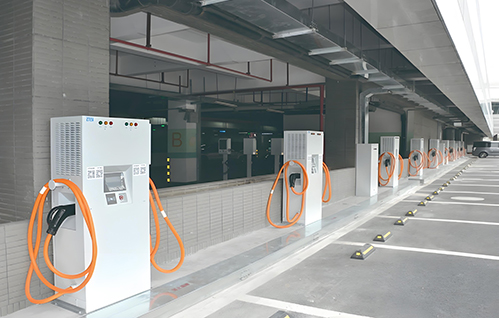
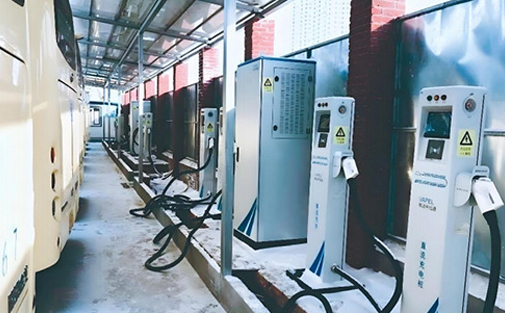
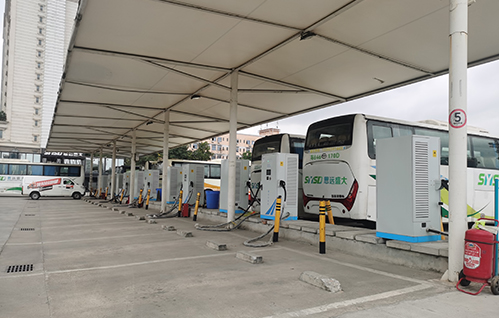
Number of stations: 11 charging stations covering Shenzhen's core areas and transportation hubs
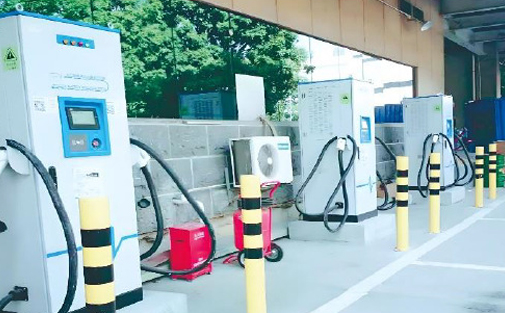
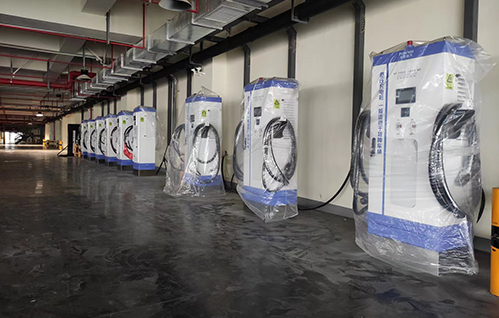
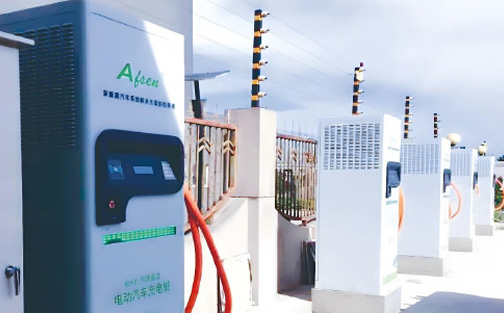
Equipment Configuration: Over 300 units of 120kW split-type DC charging stations, with each unit achieving industry-leading charging efficiency.
Technical Specifications:
Output Power: 120 kW
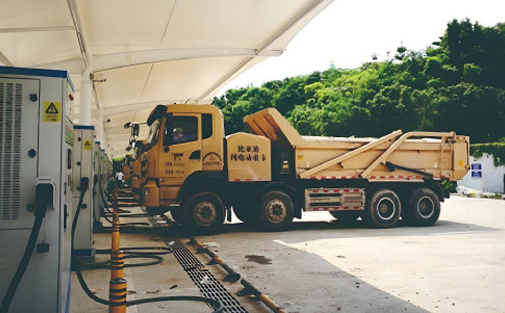
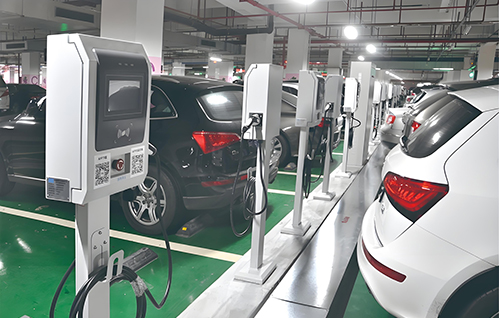
Compatible Vehicle Models: Compatible with various types of new energy vehicles, including private cars, taxis, and buses.
Safety Standards: Compliant with the “Standard for Conformity Testing of Electric Vehicle Charging Facilities”
2. Innovative Technology Highlights
Modular Design: Utilizes a split architecture to enable flexible power configuration and reduce operational and maintenance costs.
Smart Monitoring System: Integrates BMS (Battery Management System) communication protocols for real-time monitoring of charging status.
High-Efficiency Heat Dissipation Technology: Optimized airflow channel design tailored for Shenzhen's high-temperature environment ensures stable equipment operation.
Implementation Process and Challenge Management
1. Construction Period
2012: Completed site selection and equipment commissioning for the first five stations, with a focus on serving the bus and taxi sectors.
2013: Four new sites were added, covering logistics parks and commercial centers, with charging station utilization rates increasing to an average of 8 hours per day.
2014: Completed construction of 11 charging stations, establishing a “1-kilometer charging network within the central urban area.”
2. Technical Breakthroughs
Grid Adaptation: For aging distribution networks, we custom-develop dynamic power allocation systems to prevent grid overloads.
Compatibility Testing: Completed joint debugging with vehicle models from automakers such as BYD and GAC to ensure compatibility across multiple brands.
Achievements and Benefits
Operational Data
Charging Volume: In 2014, the annual charging volume exceeded 12 million kilowatt-hours, supporting the operation of over 5,000 new energy vehicles.
User feedback: Average charging time for drivers has been reduced to 30 minutes, with daily driving range increasing by 150 kilometers.
Industry Impact
Standard Development: Project experience has been incorporated into the Shenzhen Electric Vehicle Charging System Technical Specifications, driving the advancement of local standards.
Demonstration Effect: Recognized as an “Outstanding Case Study in Shenzhen's New Energy Vehicle Promotion and Application for 2014,” providing a reference template for subsequent charging infrastructure development.
Social Value and Industry Standing
Green Transportation Contributions
Cumulative carbon emissions reduced by over 20,000 metric tons, equivalent to the carbon sequestration capacity of planting 140,000 trees.
Supporting Shenzhen's new energy vehicle fleet surpassing 10,000 units, achieving the 12th Five-Year Plan target ahead of schedule.
Significance as a Technical Benchmark
Nueda Zhongyuantong's 120kW DC charging station has become one of the first products in China to obtain dual CE and UL certifications, paving the way for its export to the European market.
The project was honored as one of the “Top Ten Exemplary Projects in China's Charging Pile Industry in 2015,” solidifying the company's leading position in the sector.
Summary and Outlook
The Shenzhen Linen Charging Station Project represents a milestone achievement for Hueda Zhongyuantong in the new energy sector. It not only validates the feasibility of large-scale charging infrastructure deployment but also provides the industry with a replicable “Shenzhen model” through technological innovation and business model exploration. Zhongyuantong will continue to deepen its strategic focus in areas such as V2G (Vehicle-to-Grid) and ultra-fast charging technology, contributing to the realization of global carbon neutrality goals.